Hard water is a silent nuisance in millions of households and industrial facilities worldwide. High concentrations of dissolved calcium and magnesium ions lead to stubborn limescale buildup, clogged plumbing, reduced appliance lifespans, and stiff, scratchy laundry. While traditional salt-based ion-exchange softeners have long been the gold standard, they come with significant trade-offs: high water waste, electricity requirements, ongoing sodium purchases, and environmental concerns regarding brine discharge.
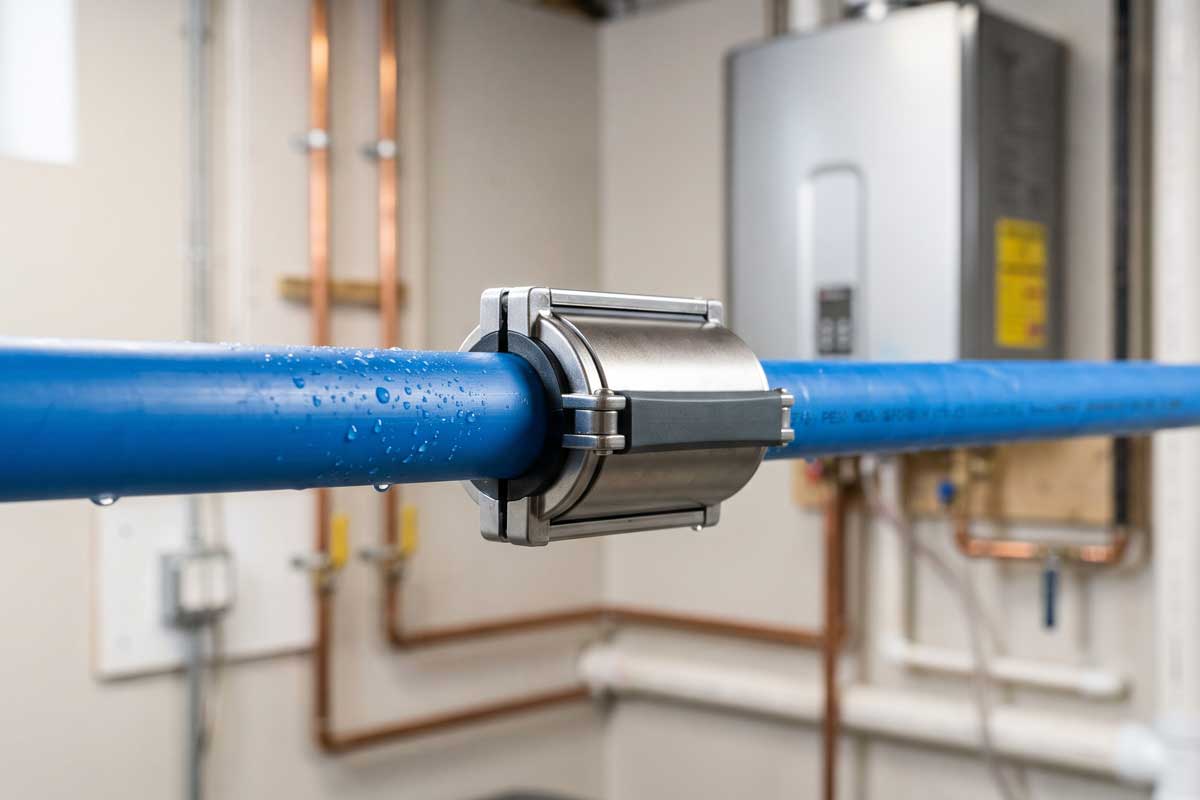
Enter magnetic water treatment—a compelling, non-chemical alternative promising scale prevention without salt, chemicals, or bulky resin tanks. By passing hard water through a magnetic field, these systems claim to alter the physical behavior of minerals, keeping them suspended in fluid rather than cementing onto heating elements and pipe walls.
This comprehensive guide explores the science, mechanics, real-world effectiveness, advantages, and limitations of magnetic water treatment systems, helping you determine whether this technology fits your home or industrial application.
What Is Magnetic Water Treatment?
Magnetic water treatment (MWT) falls under the umbrella of physical water treatment (PWT) or non-chemical scale control. Unlike traditional softeners that physically remove calcium and magnesium ions by swapping them with sodium or potassium, magnetic devices leave the mineral content of the water entirely intact.
Instead of removing minerals, MWT systems use permanent magnets or electromagnets wrapped around or installed inline with the main water supply pipe. As water flows through the magnetic flux lines, the Lorentz force and induced electrical charges purportedly influence the crystallization process of dissolved minerals, specifically calcium carbonate (CaCO3).
How the Technology Operates
- External Clamping vs. Inline Units: Most residential magnetic descalers consist of two magnetic blocks clamped around the exterior of the main incoming water pipe. Industrial units may feature inline stainless-steel chambers housing rare-earth neodymium magnets.
- Fluid Dynamics: As water molecules and dissolved ions move perpendicular to the magnetic field, Lorentz forces act upon the moving charges.
- Crystal Modification: Proponents argue that this magnetic agitation encourages minerals to precipitate out as suspended aragonite micro-crystals rather than adherent calcite scale.
The Science: How Magnetic Fields Affect Hard Water
The efficacy of magnetic water treatment has long sparked debate between commercial manufacturers and the academic scientific community. To understand the technology, it helps to examine the underlying chemical and physical mechanics.
The Nucleation Theory
Hard water contains dissolved bicarbonate ions (HCO3–), calcium ions (Ca2+), and magnesium ions (Mg2+). When heated—such as inside a water heater tank—these ions naturally bond to form calcium carbonate scale (CaCO3), which hardens onto surfaces.
Magnetic treatment aims to accelerate heterogeneous nucleation. By altering the hydration shell around ions or modifying zeta potential, the magnetic field creates sub-microscopic crystal seeds (nuclei) directly in the flowing water column. When the water is subsequently heated, minerals latch onto these pre-existing suspended seeds rather than nucleating on pipe walls or heating elements. Consequently, the minerals flush harmlessly out of the tap as a fine, chalky silt.
Note on Terminology: Magnetic systems are strictly scale inhibitors, not water softeners. They do not lower Total Dissolved Solids (TDS) or change water hardness measurements on a standard titration test kit; instead, they change how minerals behave under thermal stress.
Key Benefits of Magnetic Water Treatment Systems
For homeowners and facility managers seeking alternatives to traditional salt-based systems, magnetic descalers offer several distinct operational advantages:
1. Zero Chemical or Salt Usage
Traditional softeners require frequent bags of salt and discharge sodium-laden backwash water into local septic and municipal sewer systems. Magnetic systems require zero consumables, making them entirely eco-friendly and maintenance-free.
2. Compact Footprint & Easy DIY Installation
Clamping units require zero plumbing modifications. You do not need to cut pipes, install drain lines, or allocate floor space for heavy brine tanks. Installation takes less than 15 minutes with a screwdriver.
3. Mineral Retention for Health
Because MWT does not remove calcium and magnesium, the drinking water retains essential dietary minerals. Furthermore, users on sodium-restricted diets avoid consuming the added sodium introduced by ion-exchange softeners.
4. Preservation of Existing Scale
Beyond preventing new buildup, anecdotal reports and select field studies indicate that magnetized water can gradually dissolve legacy scale inside older copper and PEX plumbing networks over several months of continuous exposure.
Comparing Magnetic Water Treatment vs. Traditional Softeners
| Feature | Magnetic Water Treatment | Salt-Based Ion Exchange |
| Primary Function | Scale prevention & crystal modification | Mineral removal (Ca2+, Mg2+) |
| Consumables | None | Salt / Potassium chloride |
| Water Waste | None | Regular regeneration backwash cycles |
| Electricity | None (Permanent magnets) or minimal | Required for electronic control valves |
| TDS Levels | Unchanged | Slightly reduced or sodium-substituted |
| Maintenance | Set-and-forget | Monthly salt refilling & annual servicing |
Limitations and Scientific Skepticism
A balanced evaluation of magnetic water treatment must address its limitations and the skepticism surrounding its performance:
- Lack of Universal Standardization: Magnetic strength is measured in gauss. Lower-quality ceramic magnets often lack the flux density required to impact fast-moving water in high-flow residential mains. Rare-earth neodymium magnets (typically 10,000+ gauss) offer significantly better performance.
- Flow Rate Sensitivity: If water velocity is too high or too stagnant, ions may not spend enough time within the magnetic flux zone to experience meaningful physical alteration.
- Variable Field Results: Independent university studies show mixed results. While industrial cooling towers often report measurable scale reduction, residential outcomes can vary based on local water chemistry (pH, alkalinity, and TDS levels).
- No Suds Enhancement: Because minerals remain in the water, soap and shampoo will not lather as luxuriously as they would with a traditional softened water system.
Conclusion
Magnetic water treatment systems represent an intriguing, maintenance-free, and eco-friendly approach to managing hard water challenges. While they do not “soften” water in the traditional chemical sense, high-gauss neodymium magnetic conditioners provide a practical, cost-effective solution for preventing destructive limescale buildup in pipes, water heaters, showerheads, and dishwashers. For users seeking to protect their home plumbing without hauling heavy salt bags or wasting water, a quality magnetic descaler is well worth considering.
Frequently Asked Questions (FAQ)
Does magnetic water treatment actually work?
Yes, under the right conditions. High-gauss neodymium magnetic systems successfully alter the crystalline structure of calcium carbonate, preventing hard scale from adhering to surfaces. However, their effectiveness depends heavily on water chemistry, flow rate, and magnet strength.
Will a magnetic descaler give me slippery skin in the shower?
No. Unlike traditional salt softeners that remove calcium and magnesium, magnetic systems leave minerals suspended in the water. You will not experience the slick, slippery feeling associated with ion-exchange softened water.
Can I drink water treated with magnets?
Absolutely. In fact, because magnetic treatment adds no chemicals or sodium, the water remains entirely natural and retains healthy dietary minerals like calcium and magnesium.
Do magnetic water systems require electricity or maintenance?
Permanent magnet systems require no electricity and zero ongoing maintenance. Once clamped onto the main water pipe, they operate passively 24/7.